Omnichannel Bill Book Ordering Blueprint for Fast-Growing SMEs
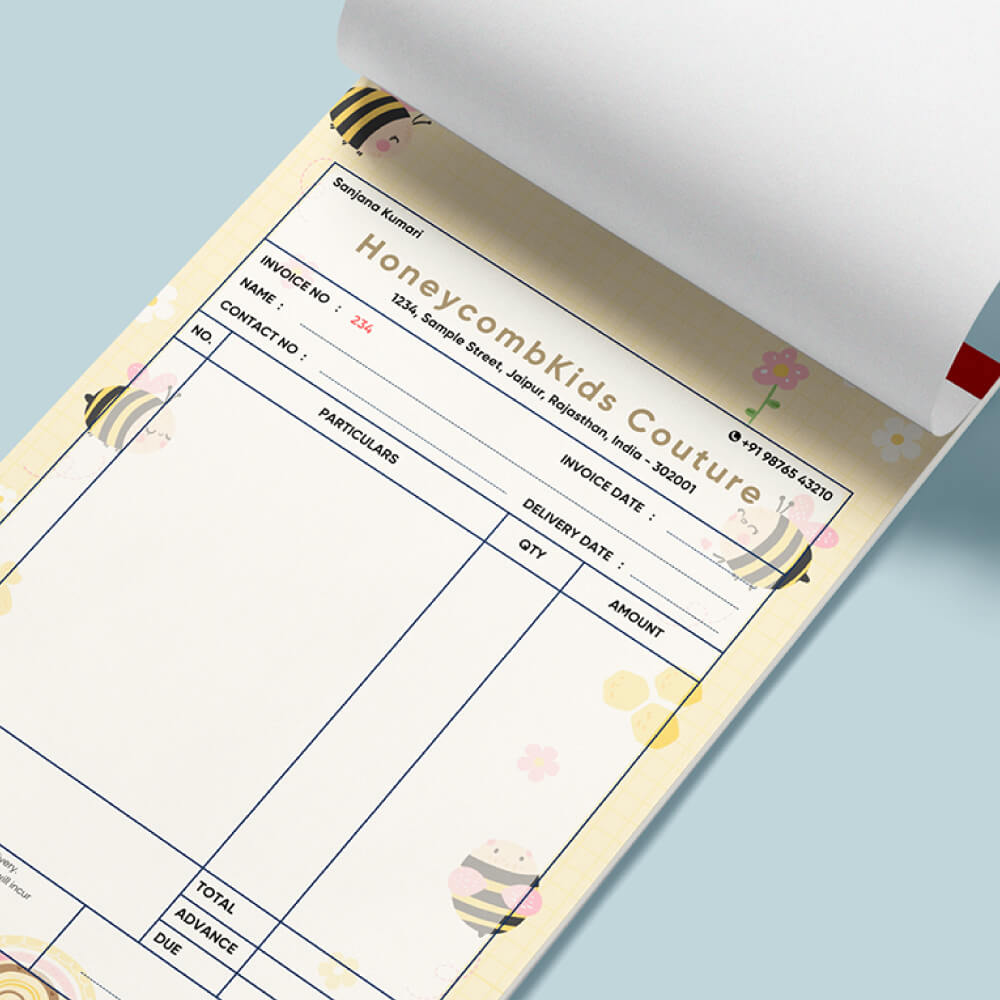
Small and medium enterprises that rely on handwritten or carbonless bill books often juggle WhatsApp chats, email approvals, and in-store pickups. The result is duplicated effort and inconsistent branding. This 600-word blueprint shows how to redesign the entire ordering experience so every estimate, bill book, and delivery note reinforces your firm’s reliability while trimming turnaround time.

1. Map the Customer Journey Before You Print
List every touchpoint from the first inquiry to the final delivery: marketing landing page, quote form, proof approval, production, and invoicing. Assign a single owner to each stage—typically marketing, sales, prepress, and dispatch. When responsibilities are clear, no brief gets lost in email purgatory, and you can promise firm timelines such as “A5 duplicate books ship within 72 hours of proof sign-off.”
2. Standardize Intake With Smart Forms
Create a dedicated order form that collects size (A4, A5, custom), ply count, numbering style, perforation requirements, artwork uploads, and delivery preferences. Integrate conditional logic, so clients requesting GST-compliant layouts must attach their registration details. Feed submissions directly into Slack or a CRM to avoid retyping data into production sheets.
3. Centralize Artwork and Proofing
Use a shared Drive or project portal where designers drop layered files, color profiles, and mockups. Pair this with templated email responses that include proofing deadlines and revision caps. Clients feel guided, your designers avoid reinventing layouts, and print-ready files retain consistent margins for your automated trimming equipment.
4. Automate Pricing Without Losing Flexibility
Build a spreadsheet or lightweight CPQ tool that references paper costs, carbonless ply surcharges, and finishing add-ons. Pre-load popular bundles such as “3-color cover + sequential numbering” so sales reps can quote within minutes. Leave a manual override field for VIP orders, but track overrides to ensure they remain profitable.
5. Pair Production Sprints With Inventory Buffers
Group similar stocks—70 gsm inner sheets or 95 gsm cover boards—into weekly production sprints. Keeping a two-week buffer of the top three substrates prevents last-minute supplier delays. Update your MIS when reels drop below threshold levels and send automatic purchase reminders to vendors.

6. Enhance Brand Consistency Through Templates
Design modular templates for cover art, terms and conditions, and footer contact blocks. Swap only the client logo, colors, and contact information. This approach keeps typography uniform, speeds up DTP time, and reduces errors like outdated phone numbers on repeat orders.
7. Communicate Production Milestones Proactively
Adopt a simple three-touch update rhythm: confirmation once files are approved, notification when books enter the press queue, and dispatch confirmation with tracking. Automating these via CRM or WhatsApp Business reassures clients and reduces “Just checking in” calls.
8. Measure What Matters
Track first-proof approval rate, average delivery time, reprint causes, and customer satisfaction scores. Post-project surveys asking “What nearly stopped you from reordering?” reveal friction points faster than internal debates. Feed insights into quarterly ops reviews and reward teams that consistently beat SLAs.
9. Convert Each Order Into a Marketing Asset
Photograph standout bill books, gather a short testimonial, and turn it into a case study or carousel on your website. Tag every asset with industry keywords—“pharmacy carbonless bill book,” “logistics triplicate docket”—to attract search traffic from niche buyers.
Next Steps
Audit your current process against these nine steps. Prioritize one improvement per month, such as launching the smart form in March 2026 and rolling out proactive milestone texts by April. Within a quarter, you’ll have a replicable system that delights procurement teams and keeps your presses running at profitable capacity.